
Hydraulic Oil Coolers
[wpb-pcf-button]
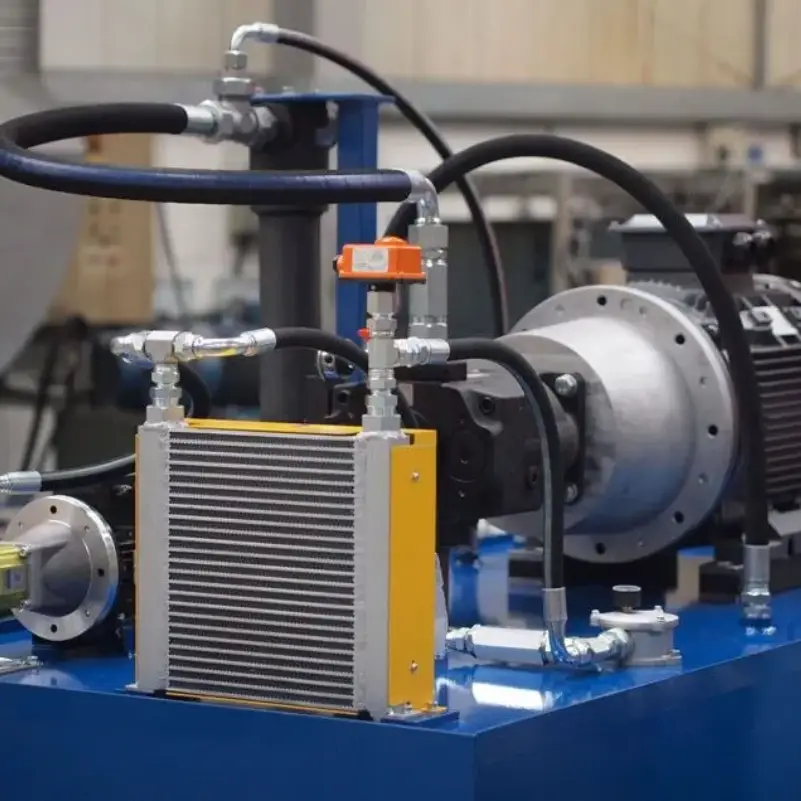
Hydraulic Oil Coolers
Key Features of Hydraulic Oil Coolers
1. Efficient Heat Dissipation
Engineered with advanced cooling technology, hydraulic oil coolers effectively transfer heat from the oil to the surrounding environment, maintaining consistent system temperatures.
2. Durable Construction
Built using high-grade materials such as aluminum, copper, or stainless steel, these coolers are designed to withstand harsh industrial conditions and resist corrosion.
3. Compact and Space-Saving Design
Modern hydraulic oil coolers are designed to fit into tight spaces without compromising performance, making them ideal for a wide range of applications.
4. High Thermal Performance
Optimized fin and tube designs ensure maximum surface area for heat exchange, resulting in superior cooling efficiency even in demanding environments.
5. Energy Efficient Operation
By maintaining proper oil temperature, these coolers reduce energy consumption and improve overall system efficiency.
[wpb-pcf-button]
Product Description
Hydraulic oil coolers are essential components in hydraulic systems, designed to regulate and maintain optimal oil temperature during operation. In industrial environments where machinery runs continuously under heavy loads, hydraulic oil tends to heat up, which can reduce efficiency, accelerate wear, and even lead to system failure.
A high-quality hydraulic oil cooler helps dissipate excess heat, ensuring that the hydraulic fluid remains within the recommended temperature range. This not only enhances system performance but also extends the lifespan of critical components such as pumps, valves, and seals. Whether used in manufacturing plants, construction equipment, or power systems, hydraulic oil coolers play a vital role in maintaining operational reliability and efficiency.
[wpb-pcf-button]
Frequently Asked Questions (FAQs)
Q1: Why is a hydraulic oil cooler important?
A hydraulic oil cooler prevents overheating by maintaining optimal oil temperature, which improves system efficiency, reduces wear and tear, and extends equipment lifespan.
Q2: What happens if hydraulic oil gets too hot?
Excessive heat can degrade the oil, reduce lubrication efficiency, damage seals, and lead to premature failure of hydraulic components.
Q3: How do I choose the right hydraulic oil cooler?
Selection depends on factors such as system size, flow rate, operating temperature, and environmental conditions. Consulting with a manufacturer or expert is recommended for proper sizing.
Q4: How often should a hydraulic oil cooler be maintained?
Regular inspection and cleaning are recommended to ensure optimal performance. Maintenance frequency depends on usage and operating conditions but is typically scheduled during routine system checks.
Q5: Can hydraulic oil coolers improve energy efficiency?
Yes, by maintaining proper oil temperature, the system operates more efficiently, reducing energy consumption and operational costs.