
Cooling Handling Lines
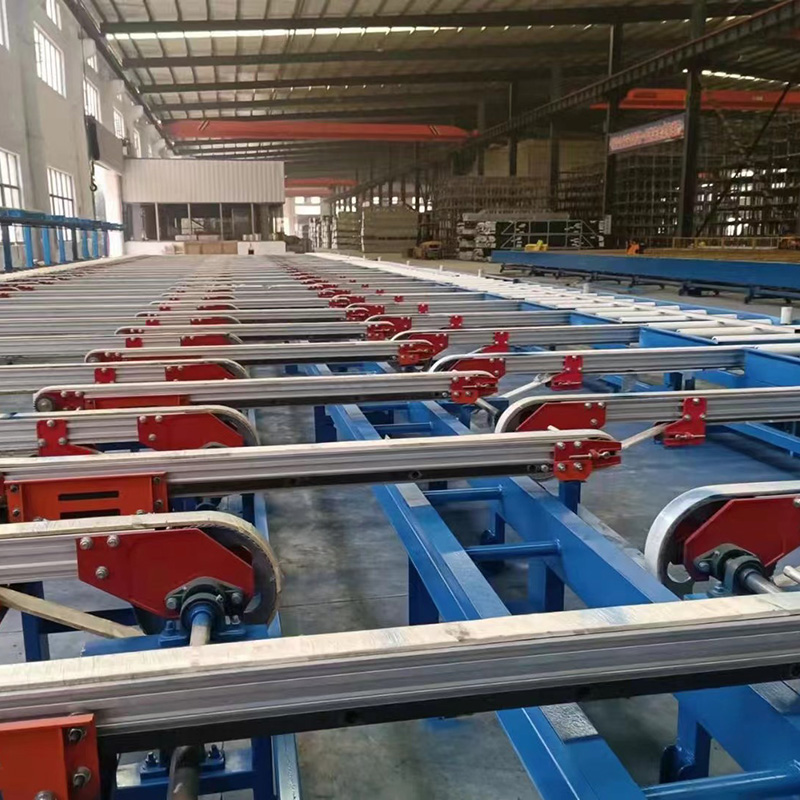
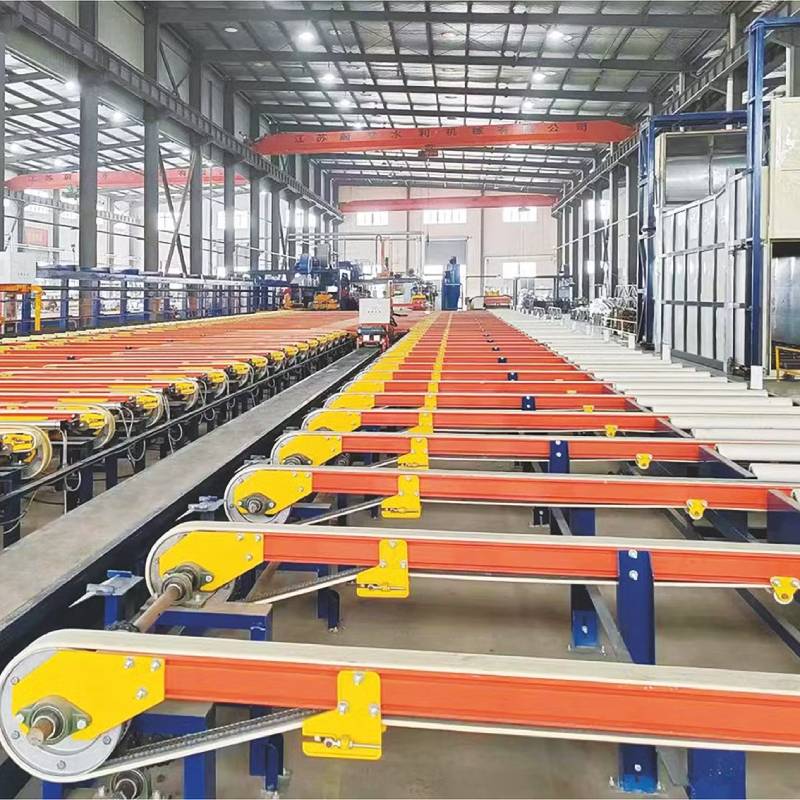
Cooling Handling Lines
Cooling handling lines are integrated systems designed to cool, transport, and manage products immediately after production. These systems combine cooling mechanisms with automated handling equipment to streamline workflows and minimize human intervention.
- Aluminum extrusion industries
- Metal processing plants
- Food production lines
- Plastic and polymer manufacturing
- Industrial fabrication facilities
Key Components of Cooling Handling Lines
A typical cooling handling line includes multiple coordinated elements:
- Cooling Tables or Beds: Reduce material temperature safely and evenly
- Conveying Systems: Transport products through different stages
- Pullers and Transfer Units: Move materials efficiently between processes
- Stackers or Collectors: Organize finished products
- Control Systems: Automate and monitor operations/
Product Description
In high-volume manufacturing environments, maintaining product quality while ensuring efficient material flow is critical. Cooling handling lines play a vital role in bridging the gap between production and downstream processes by cooling, transferring, and organizing materials seamlessly.
From aluminum extrusion plants to food processing and industrial manufacturing facilities, well-designed cooling handling systems improve productivity, reduce manual labor, and ensure consistent output quality. Investing in advanced cooling handling lines is essential for companies aiming to enhance operational efficiency and maintain competitive performance.
Features of High-Performance Cooling Handling Lines
Modern cooling handling lines are engineered for efficiency, durability, and automation. Below are the core features that define a high-quality system:
1. Efficient Cooling Performance
- Uniform cooling across all materials
- Prevents deformation or thermal stress
- Maintains product integrity and quality
2. Automated Material Handling
- Reduces manual labor requirements
- Ensures smooth and continuous production flow
- Minimizes handling errors
3. Customizable Design
- Tailored to different production capacities
- Adaptable to various product sizes and shapes
- Configurable layouts for plant-specific needs
4. Robust Construction
- Built with high-grade industrial materials
- Resistant to wear, heat, and corrosion
- Designed for long-term reliability
5. Energy Efficiency
- Optimized cooling mechanisms reduce energy consumption
- Supports sustainable manufacturing practices
Frequently Asked Questions (FAQs)
1. What are cooling handling lines used for?
With proper maintenance, a refurbished machine can operate efficiently for 10–15 years or more, depending on usage and working conditions.
Is a used 660T extrusion press reliable?
Yes. After a complete refurbishment and testing process, the machine performs reliably and meets modern production standards.
Advantages of Choosing a Refurbished 660T Extrusion Press
1. Significant Cost Savings
Save up to 40–60% compared to new machines while maintaining high performance.
2. Proven Reliability
Machines are sourced from reputable brands and restored to ensure stable, long-term operation.
3. Faster Delivery Time
Avoid long manufacturing lead times with ready-to-ship refurbished equipment.
4. Customization Options
We offer tailored solutions based on:
- Production capacity
- Profile types and sizes
- Automation level
Factory layout
5. Eco-Friendly Solution
Refurbishing extends machine life and reduces industrial waste, supporting sustainable manufacturing.
Can the machine be customized?
Absolutely. We can customize the control system, components, and configurations to match your production needs.
What industries can use a 660T extrusion machine?
It is suitable for construction, industrial manufacturing, transportation, and custom aluminum profile production.
What is included in the refurbishment process?
The process includes mechanical overhaul, hydraulic system replacement, electrical upgrades, safety improvements, and performance testing.
How long is the delivery time?
Delivery is typically much faster than new machines, depending on refurbishment status and customization requirements.